Key Takeaways
- A healthy school lunch gives children the energy and nutrients they need to focus, learn, and stay active throughout the school day.
- Balanced lunchbox meals should include a protein source, whole grain, fruit or vegetable, and a healthy fat.
- Getting kids to eat healthy food at school is easier when they are involved in choosing and packing their own lunch.
- Nutrition activities for kids, like building their own lunchbox or picking a new snack at the store, build healthy habits that last well beyond the school years.
- Capital Area Pediatrics helps Northern Virginia families build healthy eating routines for school-age children. Talk to your child's provider for personalized nutrition guidance.
Why School Lunch Matters More Than You Think
What children eat at lunch directly affects their ability to learn. Studies show that children who eat a nutritious midday meal have better concentration, memory, and behavior during afternoon classes. A meal high in sugar or refined carbohydrates causes a blood sugar spike followed by a crash, making it hard for kids to stay focused.
What Goes Into a Healthy School Lunch?
A well-balanced lunch helps children meet their daily nutritional needs and supports steady energy levels throughout the afternoon. A healthy school lunch should include four key components:
| Component | Examples |
|---|---|
| Protein | Chicken, tuna, hard-boiled eggs, hummus, cheese, nut butter |
| Whole Grain | Whole wheat bread, whole grain crackers, brown rice, quinoa |
| Fruit or Vegetable | Apple slices, carrot sticks, grapes, cucumber, bell pepper strips |
| Healthy Fat | Avocado slices, nuts, nut butter, string cheese, yogurt |
5 Tips for Packing a Healthy School Lunch Kids Will Actually Eat
Tip 1: Let Your Child Help Pack the Lunchbox
Children are significantly more likely to eat a lunch they helped prepare. Let your child choose between two or three healthy options for each component. This gives them a sense of control while keeping the lunch nutritious. Even young children can wash fruit, scoop dip, or pick out a snack.
Tip 2: Keep It Simple
Complicated lunches often go uneaten. Focus on foods your child already enjoys and add one new item at a time. A familiar sandwich with a new fruit on the side is much more likely to be eaten than an entirely unfamiliar meal.
Tip 3: Think About Texture and Temperature
Some children are sensitive to how food feels or smells after sitting in a lunchbox for hours. Pack foods that hold up well: whole fruits, hard vegetables, nut or seed butter sandwiches, cheese, and crackers tend to stay fresh. Use an insulated bag and ice pack if your child prefers cold food.
Tip 4: Avoid Packing Too Much Sugar
Sugary snacks and drinks can derail an otherwise healthy lunch. Swap fruit snacks for real fruit, juice boxes for water or milk, and cookies for whole-grain crackers or a small handful of trail mix. Reducing added sugar in children's diets helps maintain steady energy levels and supports long-term health.
Tip 5: Make It Visually Appealing
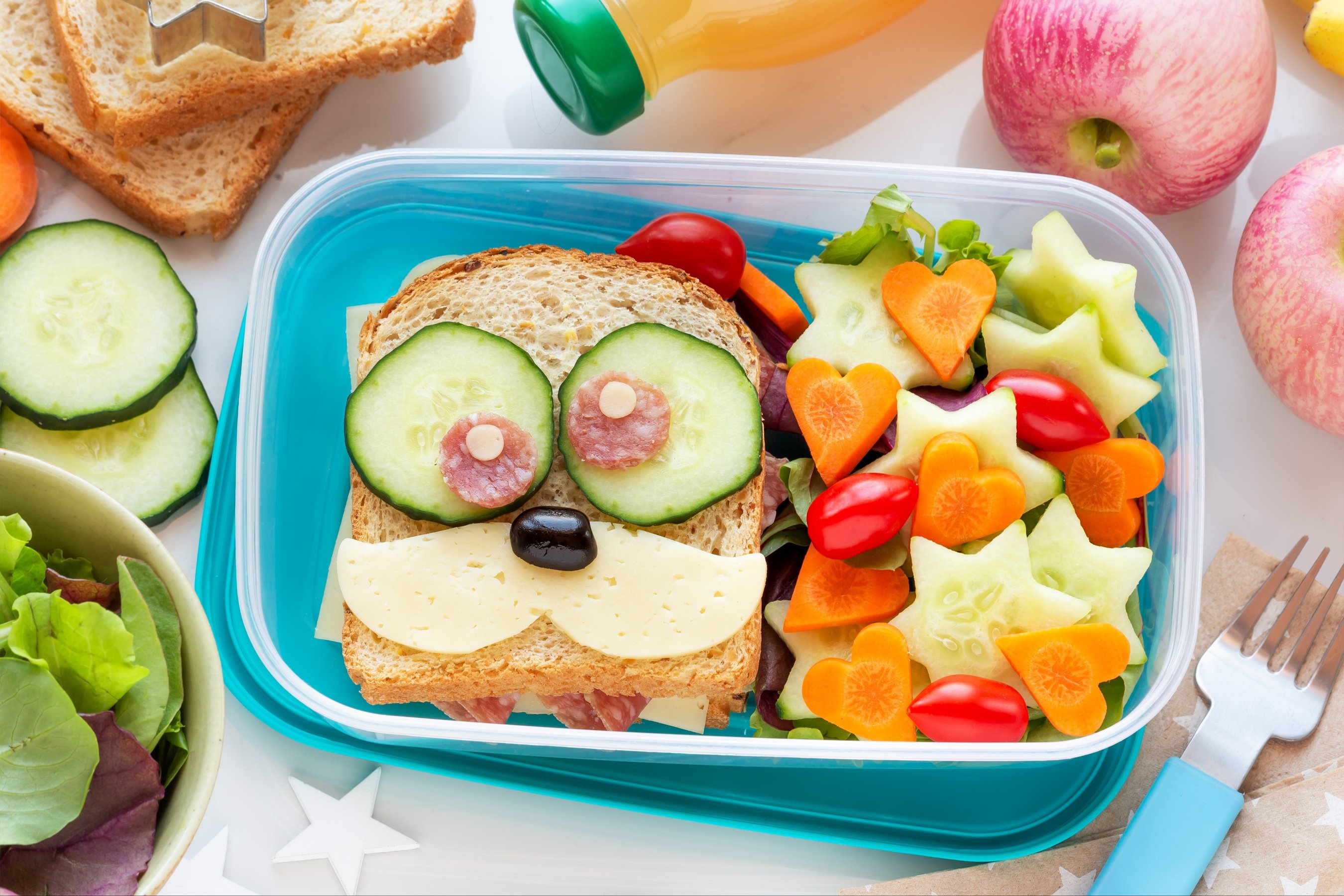
Children eat with their eyes first. Use small containers to separate foods, add a colorful fruit or vegetable for variety, or use a cookie cutter to shape a sandwich. A lunch that looks fun is more likely to be eaten, plain and simple.
Healthy Lunch Ideas Kids Will Actually Eat
Not sure what to pack? Here are some balanced lunch ideas that work for most school-age children:
- Whole wheat turkey wrap with shredded carrots, apple slices, and string cheese
- Hummus with pita bread, cucumber slices, grapes, and yogurt
- Hard-boiled eggs with whole-grain crackers, cherry tomatoes, and a banana
- Peanut or sunflower seed butter on whole wheat bread with sliced strawberries and a cheese stick
What to Do When Your Child Comes Home With a Full Lunchbox
It can be frustrating when your child does not eat the healthy lunch you packed. Before reacting, try to find out why. Common reasons include not having enough time to eat at school, not liking how a food feels after sitting in a lunchbox, social distractions during lunch, or simply not being hungry at that time of day.
Ask your child what they like and do not like about their lunch. As discussed earlier, involve them in packing their lunch for the next day so they feel more invested in what is inside. Let them help choose fruits and vegetables, pick a protein, or assemble simple items. Again, when kids have a say, they are more likely to eat what’s been packed.
Adjust based on their feedback. If a child consistently refuses food or is losing weight, speak with their pediatrician.
Nutrition Activities for Kids Around Lunchbox Packing
Making lunchbox packing a nutrition activity for kids can turn a daily chore into a learning opportunity. Try:
- A 'build your own lunch' station on weekends, where kids practice choosing balanced options
- A weekly 'try something new' challenge where your child picks one unfamiliar fruit or vegetable to include. Most kids need repeated, low-pressure exposure to a new food before they will accept it, so consistency matters more than pressure.
- Teaching kids to read food labels and look for whole-grain or low-sugar options at the store.
These activities build food literacy and help children develop the skills to make healthy choices independently as they grow.
Why Trust Capital Area Pediatrics?
Capital Area Pediatrics is a trusted pediatric practice serving families throughout Northern Virginia, with board-certified providers trained in child nutrition, growth monitoring, and behavior around food. Our pediatricians routinely counsel families on age-appropriate eating habits during well-child visits and are experienced in addressing common challenges like picky eating, lunch refusal, and nutritional gaps in school-age children.
We follow evidence-based nutritional guidelines from the American Academy of Pediatrics. Our team takes a whole-child approach, meaning we consider your child's development, activity level, and individual preferences when providing guidance.
When parents have concerns about what their child is eating, we take them seriously. Whether the issue is food refusal, weight changes, or difficulty establishing consistent healthy habits at school, our team is equipped to provide practical, compassionate support.
Help Your Child Thrive With a Healthy Lunchbox
A nutritious school lunch is one of the simplest and most impactful things a parent can do to support their child's learning and health. With a little planning and your child's input, packing a healthy lunch can become an easy part of your family's routine.
Capital Area Pediatrics provides pediatric nutrition support and well-child care services to families across Northern Virginia. Schedule an appointment today at Capital Area Pediatrics to talk with a provider about your child's nutrition needs.
Frequently Asked Questions
What should I pack in a healthy school lunch?
A healthy school lunch should include a protein source, a whole grain, at least one fruit or vegetable, and a healthy fat. Examples include a turkey wrap with fruit, hummus with pita and veggies, or a hard-boiled egg with crackers and a banana.
How do I get my child to actually eat the healthy lunch I pack?
Involve your child in packing their lunch and let them choose between healthy options. Keep foods familiar, easy to eat, and visually appealing. Ask for feedback when they come home with uneaten food and adjust from there.
Are school-bought lunches healthy?
School cafeteria lunches must meet USDA nutrition standards, which require fruits, vegetables, whole grains, and limits on sodium and saturated fat. However, quality and appeal vary by school. Talking with your child about their cafeteria choices can help.
What are good snack options for school?
Good school snacks include whole fruit, cheese sticks, whole-grain crackers, yogurt, cut vegetables with dip, or a small handful of nuts or trail mix. Snacks should be nutrient-dense and easy to eat quickly.
When should I talk to my pediatrician about my child's eating at school?
Talk to your pediatrician if your child regularly refuses lunch, is losing weight, seems tired or unfocused in the afternoons, or if you notice significant changes in appetite or eating habits. Your provider can help identify any underlying concerns.